Beyond Assumptions: What International Students Really Need from Personal Tutors and Academics
Tuesday, April 14, 2026 10:00 AM - 10:45 AM
STUDENT VOICES
If you are a registered delegate, please login to view the full session information and resources
Session Outline
International students face multifaceted challenges when studying at UK universities, including sociocultural adjustment, academic adaptation, language barriers and mental health concerns. A 21 year trend analysis revealed that over 80 % of international students in the UK report socio cultural and academic difficulties, with language proficiency cited as a primary obstacle (Oduwaye, Kiraz & Sorakin, 2023). Postgraduate international students also contend with stresses arising from visa uncertainty, AI-driven academic policies, and inconsistent institutional support systems (Nazir, 2025). Addressing these challenges through structured academic, pastoral and professional interventions is vital to ensure effective acculturation, retention and employability.
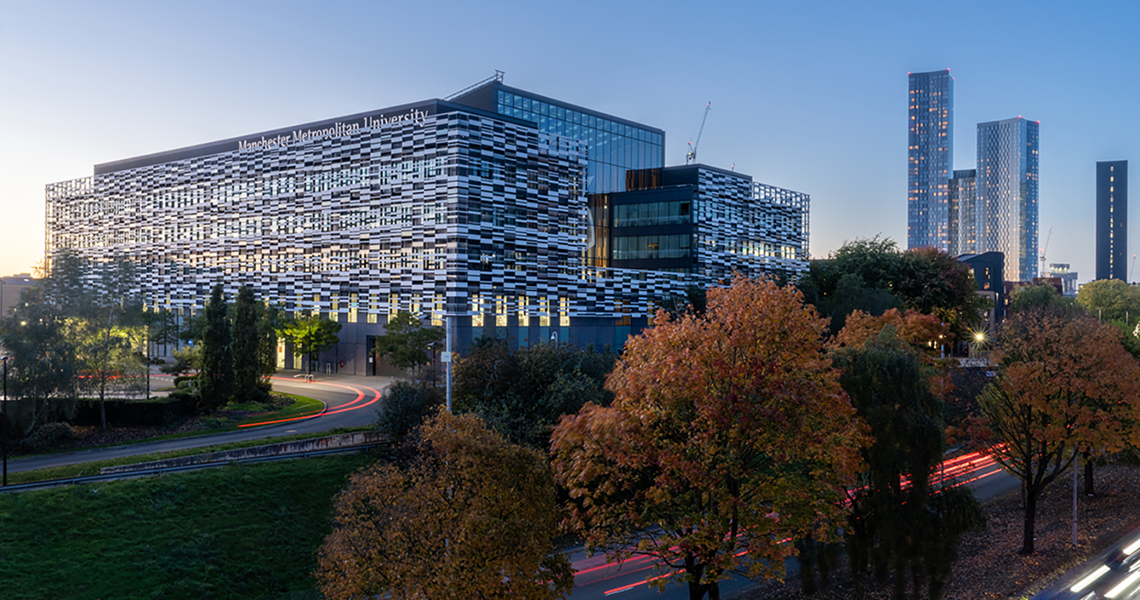
This panel session centres the authentic voices of Manchester Metropolitan University’s diverse international undergraduates and postgraduate students. All student panellists are also peer guides, which will broaden the discussion on student challenges resulting from their lived experiences as international students, as well as understanding of other international students’ circumstances. The panel will also include a home student working with international students, to add their perception on international students’ needs.
International students frequently encounter challenges related to belonging, academic support, and navigating institutional and national cultures. However, institutional responses often reflect staff assumptions rather than students’ actual needs. Research highlights the importance of student voice in challenging tokenistic practices and steering meaningful change in higher education (Ali & Schwoerer, 2025). By directly asking students what they want and need—particularly from personal tutors—this session aims to bridge the gap between assumption and reality.
Session Aims
We aim to provide a platform for international students to articulate their expectations and priorities, and develop practical recommendations to help personal tutors and academic advisors support diverse and international student cohorts more effectively, based on what students need and want.
Session Structure
Two facilitators will chair the panel and will outline the context and emphasise the importance of student-led dialogue. Panellists will then be invited to share experiences and answer guided questions (e.g., effective support strategies, communication preference, student voice, cultural understanding, sense of belonging).
There will be an opportunity for the delegates to engage, encouraging reflection and transferability to their own practice, before the facilitators synthesise key insights and outlines actionable steps for attendees to implement at their institutions.
Key Takeaways
This session empowers academic staff and professional services to adopt evidence-based, inclusive practices. By grounding support systems in the authentic voices of international students, universities can foster stronger engagement, wellbeing, and success.
• Direct student perspectives on communication preferences, academic support, emotional wellbeing, and belonging.
• Identification of common mismatches between institutional assumptions and student expectations.
• Co-created strategies for enhancing personal tutoring and advising, informed by student voice.
Learning Outcomes
• Gain a deeper understanding of international students’ real priorities and challenges.
• Identify at least two strategies for embedding authentic student voice into personal tutoring.
• Reconsider institutional assumptions and adapt their advising practices to better support international cohorts.
Bibliography
2. Kennett, A. (2025). Conceptualising an inclusive approach to student voice in higher education: A heuristic inquiry. International Journal for Students as Partners, 9(2). https://doi.org/10.15173/ijsap.v9i2.5870
3. Matthews, K. E. & Dollinger, M. (2022). Student voice in higher education: distinguishing student representation and student partnership. Higher Education, 83, 745–763. https://doi.org/10.1007/s10734-022-00851-7
4. McConnell, C., Smith, S., Olomu, K. et al. (2025). “My input was actually being listened to…” Developing trust through student staff partnerships. Student Engagement in Higher Education, 7(1). (Trust and authenticity in student voice partnerships: no DOI available) [sehej.rais…etwork.com]
5. Nazir MA (2025;), "Challenges faced by international MBA students in UK higher education: insights into AI and visa policy complexities". Higher Education, Skills and Work-based Learning, Vol. ahead-of-print No. ahead-of-print. https://doi.org/10.1108/HESWBL-09-2025-0418
6. Oduwaye, O., Kiraz, A., & Sorakin, Y. (2023). A Trend Analysis of the Challenges of International Students Over 21 Years. Sage Open, 13(4). https://doi.org/10.1177/21582440231210387
Competencies
This session addresses the following competencies of the UKAT Professional Framework for Advising and TutoringR1 - Build advising and tutoring relationships through empathetic listening and compassion for students, and be accessible in ways that challenge, support, nurture, and teach
R2 - Communicate in an inclusive and respectful manner
R4 - Plan and conduct successful advising and tutoring interactions